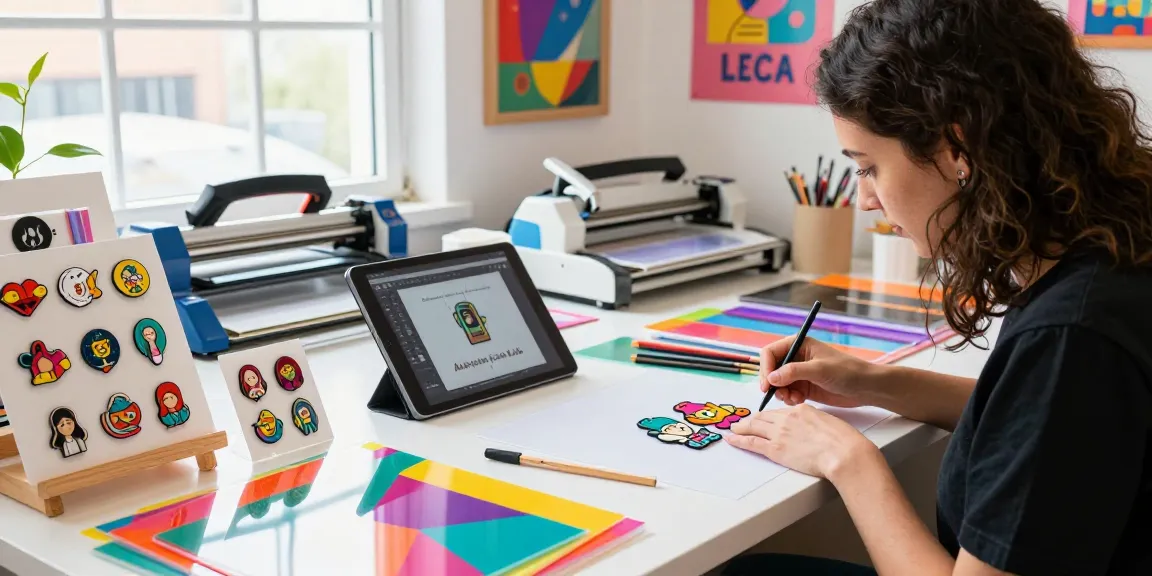
Understanding Acrylic Pins: An Overview
Acrylic pins have gained immense popularity in recent years, standing out as a vibrant and versatile option for both personal and promotional use. Made from durable and eco-friendly acrylic, these pins can be custom-designed to fit any theme, making them an attractive choice for artists, brands, and enthusiasts alike. As the demand for unique merchandise continues to rise, understanding the nuances and benefits of acrylic pins becomes essential for brands looking to captivate their audience. When exploring options, acrylic pins provide comprehensive insights into customizability and style.
What Are Acrylic Pins?
Acrylic pins are small accessories made from synthetic acrylic material, celebrated for their clarity, durability, and lightweight properties. Unlike traditional metal pins, acrylic pins can be produced in a wide array of colors, shapes, and sizes, allowing for broad creative expression. These pins are essentially a combination of printed graphics encased in acrylic, which protects the design and adds a glossy finish. This unique construction results in a product that is both visually appealing and robust, perfect for showcasing artwork or logos.
Benefits of Choosing Acrylic Over Other Materials
- Cost-Effectiveness: Acrylic pins are often less expensive to produce than enamel pins, making them accessible for a variety of budgets.
- Customizability: The versatility of acrylic allows for detailed designs, including full-color prints and intricate shapes, which may be more challenging to achieve with other materials.
- Lightweight and Durable: Made from acrylic, these pins are less prone to breakage compared to glass or metal pins and are lightweight enough for comfortable wear.
- Eco-Friendly Options: Many manufacturers offer eco-conscious acrylic options, appealing to environmentally aware consumers.
Popular Uses and Applications for Acrylic Pins
Acrylic pins can serve numerous purposes, ranging from personal fashion statements to effective marketing tools. Here are some common applications:
- Fashion Accessories: Pin them onto bags, jackets, or hats to express individuality or showcase favorite designs.
- Brand Promotion: Companies use custom acrylic pins to promote their brand, distributing them as giveaways at events or including them in merchandise.
- Art Displays: Artists often create limited edition pins to accompany their artworks, allowing fans to take home a piece of their creativity.
- Fundraising: Nonprofits utilize acrylic pins as part of their fundraising efforts, selling them to raise awareness and funds for their causes.
Designing Your Custom Acrylic Pins
Designing custom acrylic pins involves a blend of creativity and strategic planning. Successful designs consider both the aesthetic appeal and the production requirements to ensure the final product meets expectations.
Key Design Principles for Acrylic Pins
When designing acrylic pins, several key principles should guide your creative process:
- Simplicity: Designs that are too complex may not translate well into the small surface area of a pin. Aim for clarity and bold visuals.
- Color Contrast: Use contrasting colors to ensure that the design stands out when printed. This is especially important for intricate designs that may lose detail.
- Originality: Strive to create unique designs that reflect your personal brand or artistic vision, setting your pins apart in a crowded market.
Incorporating Colors and Textures Effectively
Colors and textures play a significant role in the visual appeal of acrylic pins. Consider the following tips:
- Color Theory: Understand color harmony and how different colors work together to evoke emotions and perceptions.
- Textures: While acrylic pins are smooth by nature, you can create a faux texture through graphic design, enhancing the tactile experience visually.
- Finish Options: Experiment with finishes like gloss or matte to achieve different looks and feels, which can impact the overall aesthetic of the pin.
Using Software for Pin Design and Mockups
Various design software options are available for creating pin designs. Popular platforms include Adobe Illustrator and CorelDRAW, which offer comprehensive tools for vector graphics. Additionally, more accessible tools like Canva provide user-friendly interfaces for those not as familiar with graphic design software. Mocking up your pin design digitally can help visualize the final product before it goes into production.
Production Process for Acrylic Pins
The production process for acrylic pins involves several stages, from design to distribution. Understanding each stage can help ensure a smooth production experience and high-quality outcomes.
Choosing a Reliable Manufacturer
When selecting a manufacturer for acrylic pins, consider their experience, reviews, and the quality of their previous work. Look for manufacturers that specialize in acrylic products and offer a range of customization options. It's beneficial to request samples before committing to larger orders to assess the quality and craftsmanship.
Understanding the Manufacturing Techniques
There are various manufacturing techniques used to produce acrylic pins, including:
- Laser Cutting: This method allows for precise cutting of shapes and designs in acrylic to ensure accuracy in final products.
- Digital Printing: High-quality digital printing techniques enable full-color designs to be printed directly onto the acrylic, enhancing vibrancy and detail.
- Epoxy Coating: Many acrylic pins are finished with an epoxy layer for added durability and a premium appearance, making them feel substantial and high-quality.
Quality Control Measures in Production
Quality control is critical in the production of acrylic pins. Manufacturers should implement inspection procedures at various stages, including:
- Pre-Production Samples: Check samples before full-scale production begins to ensure design accuracy and quality.
- In-Process Inspections: Conduct inspections throughout the production process to catch any defects early.
- Final Quality Assurance: A final inspection should verify the quality, finish, and packaging of each pin before shipment, ensuring that the product meets the required standards.
Marketing Your Acrylic Pins
Once your custom acrylic pins are produced, the next step is to effectively market them to your target audience. A well-thought-out marketing strategy can significantly boost visibility and sales.
Effective Strategies for Online Promotion
Utilize a mix of digital marketing strategies to increase the visibility of your acrylic pins:
- Social Media Marketing: Platforms like Instagram and Pinterest are ideal for showcasing visually appealing pins. Share high-quality images and engage with your audience through stories and posts.
- Influencer Collaborations: Partner with influencers relevant to your niche to expand your reach and credibility. Their endorsement can introduce your pins to a broader audience.
- Email Marketing: Create an email newsletter to keep your customers updated on new designs, special promotions, and exclusive releases.
Utilizing Social Media to Showcase Your Pins
Social media is a powerful tool for showcasing custom acrylic pins. Consider the following approaches:
- High-Quality Visuals: Invest in professional photography to capture the beauty of your pins in various settings.
- User-Generated Content: Encourage customers to share photos of themselves wearing your pins, creating organic buzz and community around your brand.
- Engagement Campaigns: Host contests or giveaways to foster engagement and incentivize sharing, thus increasing your reach and visibility.
Building a Brand Around Your Custom Pins
Establishing a strong brand identity is essential for long-term success in the acrylic pin market. Focus on:
- Consistency: Use consistent branding elements, including colors, logos, and messaging, across all marketing channels to build recognition.
- Storytelling: Share the story behind your pins and your creative process. This connection can foster a loyal customer base.
- Exclusivity: Limited editions or seasonal releases can create urgency and excitement among customers, encouraging them to purchase quickly.
Future Trends in Acrylic Pin Design and Production
As we look ahead to 2026, several trends are emerging in the realm of acrylic pin design and production. Staying informed about these can help brands remain competitive and relevant.
Innovations in Materials and Techniques by 2026
The acrylic industry is seeing innovations in sustainable materials, such as biodegradable acrylic alternatives. Manufacturing techniques are also evolving, with advancements in 3D printing allowing for more intricate designs and faster production times.
Predicted Market Trends for Custom Merchandise
The market for custom merchandise, including acrylic pins, is expected to grow significantly. Brands that leverage personalization and consumer engagement will likely see greater success. Additionally, eco-friendly offerings are becoming increasingly important as consumers prioritize sustainability.
Environmental Considerations in Acrylic Production
With a growing focus on sustainability, manufacturers are exploring eco-friendly practices in acrylic production. This includes using recycled materials and adopting greener manufacturing processes to reduce environmental impact.
What are the differences between acrylic pins and enamel pins?
Acrylic pins and enamel pins differ primarily in material and production methods. Acrylic pins are lightweight, durable, and can have vibrant prints, while enamel pins often have a heavier metal base with filled colors that can chip over time.
How can I create unique designs for my acrylic pins?
To create unique designs, focus on combining personal artwork with trends or themes relevant to your audience. Use color theory and design principles to enhance your concepts, and leverage software tools for precision.
What are the best practices for marketing acrylic pins?
Best practices for marketing acrylic pins include utilizing social media for visibility, engaging with your audience through interactive content, and leveraging influencer partnerships to extend your reach.
How do I choose the right manufacturer for my custom pins?
Evaluate manufacturers based on their experience, product quality, customer reviews, and the range of customization options they provide. Request samples to assess quality before placing larger orders.