The Allure of Vietnam: A Cultural Overview
Vietnam, a country of stunning landscapes and rich cultural heritage, is becoming a magnet for travelers seeking vibrant experiences and authentic adventures. From its bustling urban centers to serene rural villages, Vietnam offers a unique blend of tradition and modernity. Visitors are treated to a tapestry of colors, flavors, and stories, woven together by a history that reflects resilience and transformation. Those looking to explore the depth of Vietnamese culture will find themselves immersed in a world that captivates the senses and enriches the soul. For comprehensive insights into planning your visit, visit https://joeyvisavietnam.com/.
What Makes Vietnam's Culture Unique?
Vietnamese culture is a harmonious blend of indigenous traditions and foreign influences, primarily shaped by its long history of interactions with neighboring countries and colonizers. The essence of Vietnam's uniqueness lies in its respect for heritage, family values, and community ties. The country is heavily influenced by Confucian ideals, which emphasize familial duty and respect for elders. Moreover, vibrant festivals such as Tet (Lunar New Year) and the Mid-Autumn Festival showcase the blend of spirituality and cultural identity, with customs that have been passed down through generations.
The Rich History Behind Vietnamese Traditions
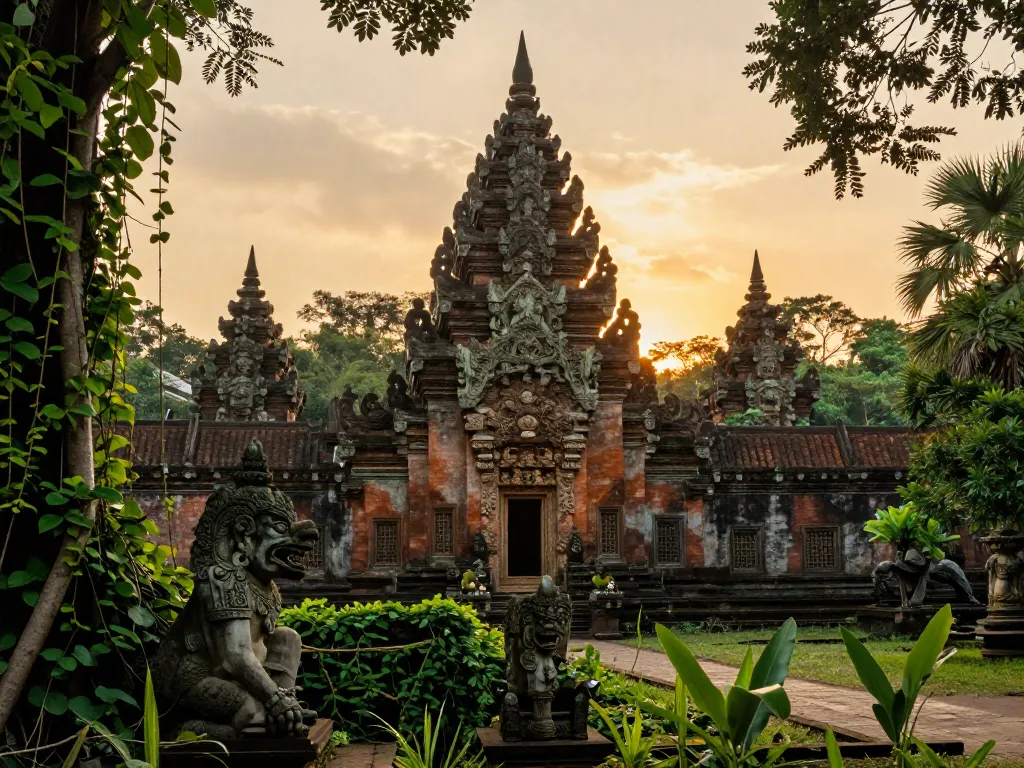
Understanding Vietnam's cultural depth requires a journey through its history—one marked by periods of flourishing arts, colonization, and war. The influence of Chinese culture, evident in language, religion, and cuisine, coexists with indigenous customs and practices. The Vietnam War left an indelible mark on the national psyche, shaping contemporary cultural expressions, literature, and art. Today, traditional music like Quan Ho and dance forms such as the Lion Dance celebrate Vietnam's heritage while integrating modern elements, creating a vibrant cultural mosaic.
How Vietnamese Cuisine Reflects Cultural Diversity
Vietnamese cuisine is a culinary tour that mirrors the country's geographical diversity and historical influences. Signature dishes like Pho and Banh Mi showcase a blend of flavors, textures, and cooking techniques. Northern cuisine tends to be more subtle with an emphasis on fresh herbs, while central Vietnam is known for its spicy dishes. Southern cuisine, characterized by sweetness, highlights the bounty of tropical fruits and seafood. Food plays a critical role in Vietnamese culture, serving as a means of connecting with family and friends during gatherings, and as an invitation to experience the nation's rich narrative through every meal.
Top Travel Destinations in Vietnam
Must-Visit Cities: Ho Chi Minh City and Hanoi
Ho Chi Minh City, formerly known as Saigon, is a bustling metropolis that perfectly blends the old with the new. The city is famous for its French colonial landmarks, such as the Saigon Notre-Dame Basilica and the Central Post Office, alongside a thriving street food scene that invites culinary exploration. In contrast, Hanoi, the capital city, exudes a more traditional atmosphere with its ancient temples, narrow streets, and the serene Hoan Kiem Lake. Visitors to Hanoi can experience the charming Old Quarter, which bustles with local markets, restaurants, and shops, each offering a glimpse into the local way of life.
Natural Wonders: Exploring Vietnam's Landscapes
Vietnam's natural beauty is as diverse as its culture, comprising lush mountains, serene beaches, and breathtaking valleys. The terraced rice fields of Sapa are a stunning exhibit of natural farming ingenuity, whereas Halong Bay’s emerald waters and limestone islands present a visual feast. The Mekong Delta, with its intricate waterways and floating markets, provides a unique glimpse into the rural lifestyle of the Vietnamese people. Each of these destinations not only offers breathtaking beauty but also stories that connect travelers to Vietnam's agrarian heritage.
Hidden Gems: Lesser-Known Destinations Worth Discovering
Beyond the famous tourist hotspots, Vietnam is home to numerous hidden gems that promise an authentic travel experience. Places like Phong Nha-Ke Bang National Park, renowned for its stunning caves and biodiversity, and the ancient town of Hoi An, with its lantern-lit streets and preserved architecture, offer quiet charm away from the crowds. The coastal town of Quy Nhon and the pristine beaches of Con Dao are also ideal spots for unwinding while soaking up the local culture and stunning scenery.
Essential Travel Tips for Visitors
Best Times to Visit Vietnam: Seasonal Considerations
The best time to visit Vietnam largely depends on the regions you plan to explore. Generally, the months from September to November and March to April are considered optimal for travel. This is when the weather is pleasantly mild, providing ideal conditions for sightseeing. Each region, however, has its own climate; therefore, understanding the seasonal variations can help travelers maximize their experiences. For instance, the northern areas can be chilly in winter, while the southern parts remain warm year-round.
Cultural Etiquette: Do's and Don'ts for Travelers
Respecting local customs is crucial when visiting Vietnam. Travelers should remember to dress modestly when visiting temples, and it is customary to remove shoes before entering someone’s home. Greeting locals with a smile and a nod is a typical trait of Vietnamese hospitality. Additionally, it’s considered disrespectful to point with fingers or place your feet on furniture. Learning a few basic Vietnamese phrases can go a long way in earning the respect and warmth of the locals.
How to Navigate Vietnam's Transportation Systems
Navigating through Vietnam's transportation network can be both exciting and daunting. The country offers various options, including buses, trains, and domestic flights. For short distances in cities, motorcycle taxis, or 'xe om', are a popular choice among locals and tourists alike. In larger cities like Ho Chi Minh City and Hanoi, ride-hailing apps are a convenient way to get around. Be sure to research the best transportation methods depending on your itinerary to ensure a smooth travel experience.
Experiencing Local Cuisine in Vietnam
Signature Dishes Every Traveler Must Try
Vietnamese cuisine is an exploration of flavors that every traveler should experience. Signature dishes include Pho, a comforting noodle soup typically enjoyed for breakfast or lunch, and Banh Mi, a Vietnamese sandwich combining crusty bread with a variety of fillings. Other must-try dishes include spring rolls (Gio Lua), Bun Cha (grilled pork with noodles), and the famous Vietnamese coffee, which is rich and often brewed with condensed milk. Each dish tells a story of regional influence and local ingredients.
Food Tours: Immersing in Local Culinary Traditions
Participating in a food tour is one of the best ways to immerse oneself in Vietnamese culinary traditions. Many local guides provide tours that take you through bustling markets, street stalls, and authentic eateries, giving you a chance to taste a variety of dishes while learning about their cultural significance. These experiences often include cooking classes, where travelers can learn to recreate their favorite dishes, fostering a deeper connection to Vietnamese cuisine.
Street Food: A Guide to Safe and Delicious Eating
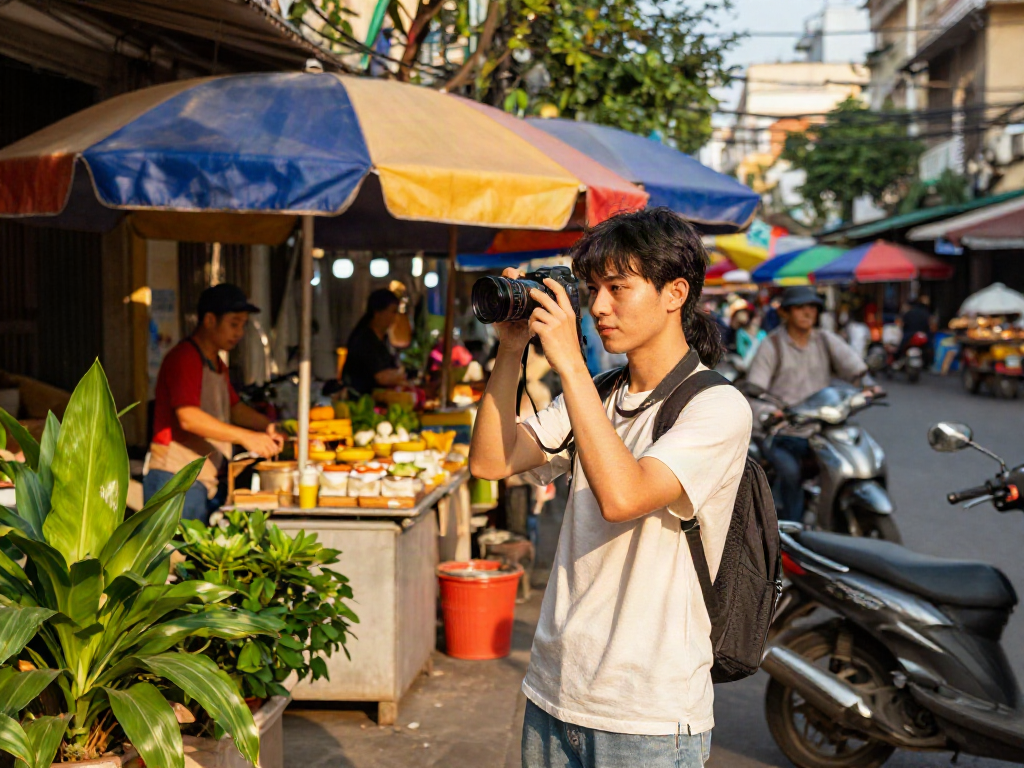
Street food is an integral part of Vietnam's culture and offers some of the most delicious dining experiences. To enjoy street food safely, choose vendors that have a high turnover of customers, as this indicates freshness. Always watch how food is prepared and opt for dishes that are cooked to order. Popular street food options include Vietnamese pancakes (Banh Xeo), grilled skewers (Thit Nuong), and fresh fruit juices. Enjoying street food is not just about eating; it’s about savoring the atmosphere of local life.
Planning Your Trip: Practical Advice
Budgeting for Your Vietnamese Adventure
Vietnam is known for being an affordable travel destination, but budgeting wisely can enhance your experience. Accommodation, food, and transportation are generally inexpensive compared to Western standards. However, it’s essential to plan for activities and excursions. Setting a daily budget can help you manage your expenses while allowing some flexibility for spontaneous experiences, such as dining at a local restaurant or exploring a new destination.
Essential Packing Tips for Travelers
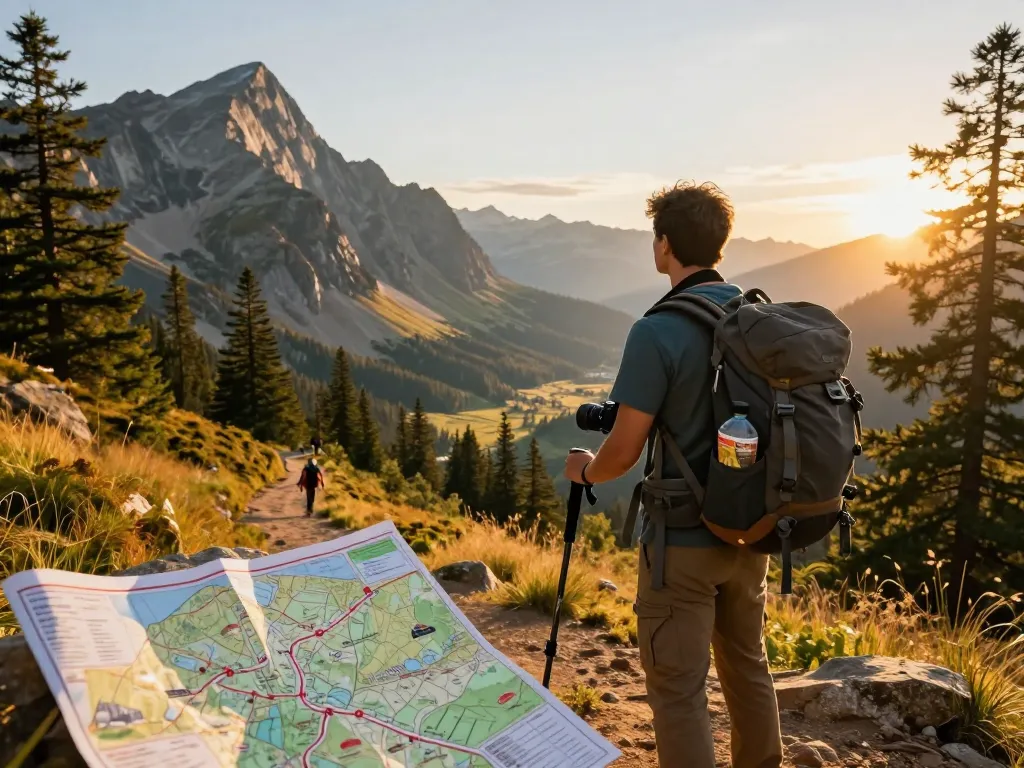
When packing for Vietnam, consider the regions you’ll visit and the activities planned. Lightweight clothing is advisable for the hot and humid climate, while a light jacket may be necessary for cooler evenings in the north. Comfortable walking shoes are essential, particularly for city streets and walking tours. Don't forget a reusable water bottle to stay hydrated, and a universal travel adapter for your electronics to ensure all devices are charged and functional.
Future Trends in Vietnamese Tourism for 2026
As we look ahead to 2026, Vietnam's tourism sector is poised for growth, particularly in eco-tourism and sustainable travel. With an increasing number of travelers seeking responsible travel options, Vietnam is likely to enhance its offerings in eco-friendly accommodations and experiential tourism that emphasizes preservation of the environment and local cultures. Digital trends, including virtual reality tours and online booking platforms, will also play a significant role in shaping how future visitors experience this beautiful country.
What are the top attractions in Vietnam?
The top attractions in Vietnam include historical landmarks such as the Cu Chi Tunnels, natural wonders like Halong Bay, and cultural sites such as the Temple of Literature in Hanoi. Each of these attractions reflects the rich history and vibrant culture of Vietnam, drawing travelers from around the globe.
How to navigate Vietnamese cuisine safely?
Navigating Vietnamese cuisine safely involves choosing reputable restaurants, opting for freshly prepared foods, and staying mindful of hygiene practices. Always look for busy eateries, as high customer turnover usually indicates fresh ingredients.
What cultural etiquette should travelers know?
Travelers should be aware of various cultural etiquette, such as greeting locals with a smile, addressing elders with respect, and dressing modestly when visiting religious sites. Being mindful of these customs fosters positive interactions and shows respect for the local culture.
When is the best time to visit Vietnam?
The best time to visit Vietnam depends on the regions one plans to explore. Generally, spring (March to April) and fall (September to November) are the most favorable months for comfortable weather and a range of outdoor activities. However, specific regions may have unique weather patterns that travelers should consider.
What are some hidden gems in Vietnam?
Some hidden gems in Vietnam include the untouched beaches of Con Dao, the peaceful town of Bai Xep, and the charming fishing village of Mui Ne. These locations provide a quieter, yet equally beautiful alternative to more popular tourist destinations.